Microcems provide accurate level measurement and pump control for galvanized steel sump pit

Overview
Galvanizing steel is one of the most common and environmentally friendly ways to protect steel from corrosion. This process involves dipping the steel into zinc to ensure the product is protected in harsh environments.
During the galvanization process, there are various chemicals, oils, and other substances pumped through the system. All wastewater that is produced from a galvanized steel manufacturing plant is often treated before it is discharged from the plant, taken to the main municipal wastewater system for further treatment, and finally returned to the environment. During this process, sump pits are often used. These pits are designed to collect water and other spilled fluids before pumping them away as effluent or to the next stage of the treatment process.
Ensuring an accurate wastewater level measurement in these sump pits is crucial to ensure that the whole galvanization process is running smoothly and efficiently. In the case of a manufacturer in Thailand, their outdated float switch level measurement technique was causing them some problems, so they approached Microcems, Pulsar Measurement's trusted partner in Asia for help. 
The Right Solution
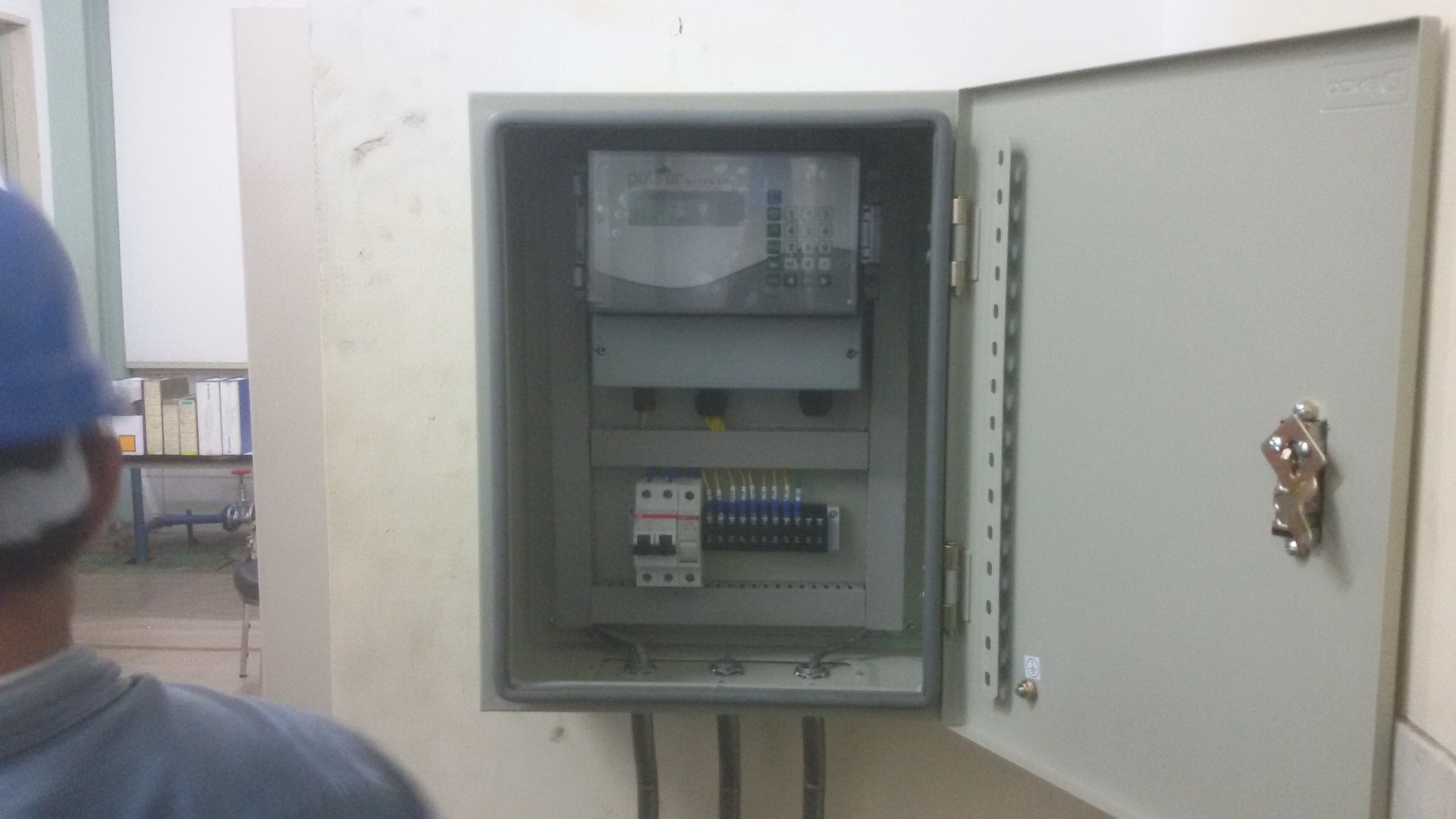
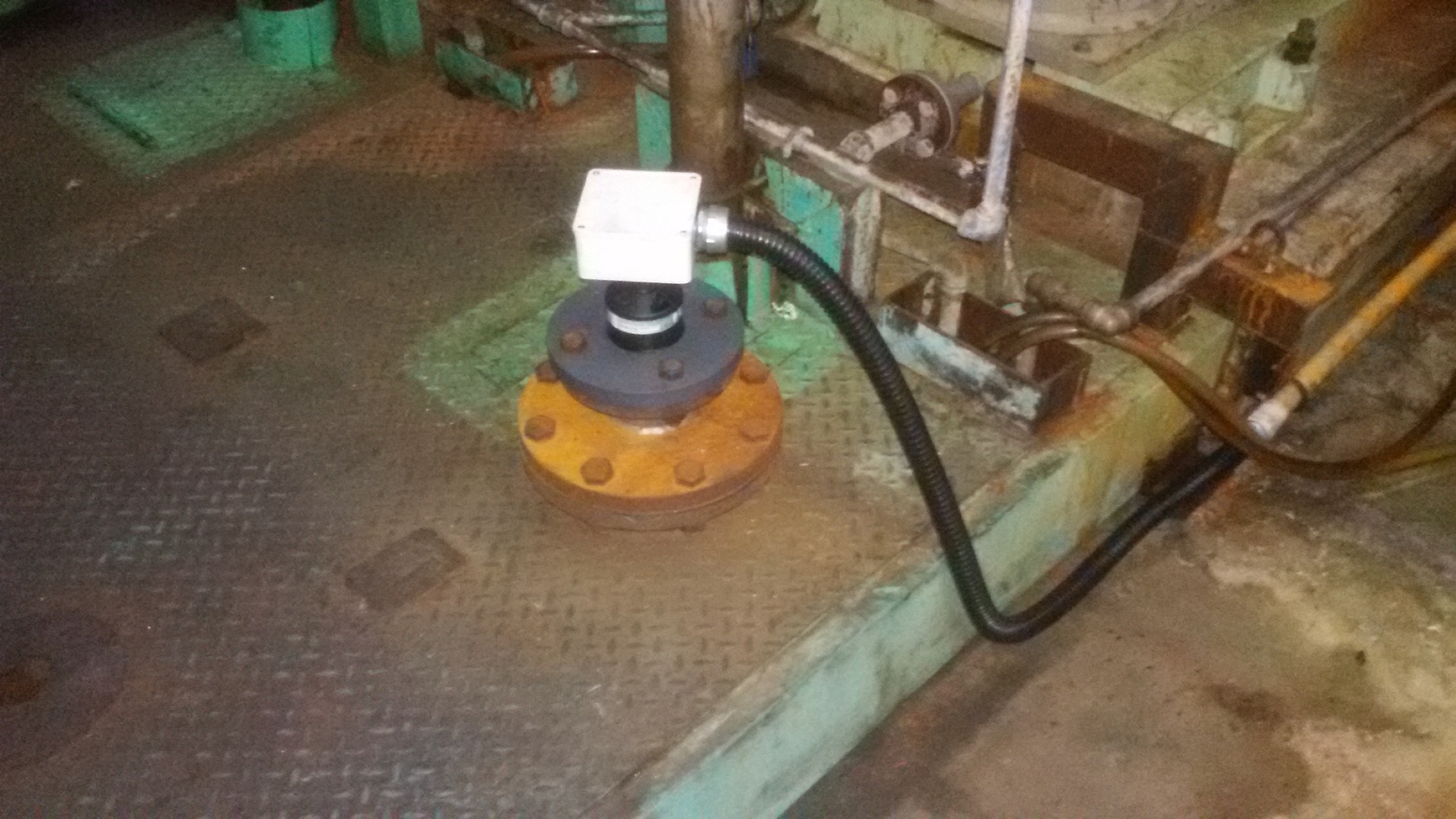
As the sump put was enclosed with a flanged entry point, Microcems decided that a dB10 PTFE faced transducer with an ANSI flange, connected to an Ultra Lite pump controller would be the best option. The dB10 is a non-contacting transducer that uses ultrasonic technology to measure the fluid level interface, which then sends a signal to the Ultra Lite controller that is used to switch the sump pumps on or off, depending on the fluid level in the tank.
As the sump pit was collecting wastewater, it could be mixed with chemicals and other corrosive substances. So, the dB10 PTFE coated transducer was ideal for this application. PTFE coatings are resistant to corrosive chemicals, provide good insulation from electricity, do not absorb fluids, and can withstand extreme heat and cold. The additional ANSI flange helped the transducer installation by making it easy to fit the transducer to the existing tank and keeping the exterior housing of the dB transducer outside the tank.
The steel plant was extremely happy with the non-contacting solution as it means that engineers no don't have to remove the existing float switches to maintain them, helping the plant to improve the health, safety, and well-being of their site engineers.
To find local Pulsar Measurement support in your region, visit the partner locator.